Celebrating diversity and making lemonade...

Celebrating diversity and making lemonade...

Sunday, January 29, 2023

Healing Herbal Salves

 In the Herb Garden…last summer…

Each summer, Mary comes to help collect and dry herbs and flowers from our garden.  We feed some of these to the chickens and ducks in the winter.  I have also been experimenting with making herbal salves.  I did make a blog post about how I make the salves last March and you can read post by clicking on the title: Using Beeswax and Herbal Salves.
As a quick review, Mary picks and dries the herb/flower.  Then, I take the dried herb and put it in a jar with a carrier oil.  I was using olive oil but now I am switching to avocado oil.  This may change again...we will see.  Here is a jar of yarrow flowers and leaves in oil.  
I let it sit for 6 weeks and then strain out the leaves and flowers and then you have an "infused oil".  This is where the magic lives!  You add some beeswax to "thicken" the oil into a salve.  I don't add any essential oils to the salves because I want the natural herbal properties of the plant to shine.  Beeswax is also great for your skin because it is a wax and forms a protective barrier when applied to skin.  This protective barrier not only locks in moisture, but it also helps to keep out environmental assaults like wind and dry air.
Okay, so today I am just going to list out some of the salves I have made this past winter.  I am not sure I will continue all of them.  I am just experimenting to see what works and what does not.  Unfortunately, everyone is different so you have to try different salves to see what works for you.  For example, I had a terrible pain in my shoulder and I would put comfrey salve on my shoulder every morning for like 2 weeks and it was still hurting.  Then, one day, I decided to try some of the Calendula salve and the pain went away that day!  Another example is that I made a pine mint headache salve.  I tried it when I had a headache but nada.  One morning my stomach was hurting.  It felt kind of like I was bloated and it just really hurt.  I was drinking some peppermint tea because I had read that it can be soothing for you stomach.  I saw the pine mint headache salve on my nightstand and figured, what the heck, I spread it all over my stomach and the pain went away almost immediately.  I had been dealing with the pain for hours!  

Here are some of the salves I have made:

Calendula
I think this one is my favorite!  Calendula works its magic by promoting cell repair and growth, coupled with natural antiseptic, anti-fungal, and anti-inflammatory properties.  It is gentle in its work...you don’t need to worry about “overdoing it” with calendula.  Topically, calendula salve can ease, heal, or otherwise treat a huge array of skin conditions. According to the Chestnut School of Herbs, this includes: rashes, sunburn, swelling, eczema, acne, stings, wounds, burns, scrapes, chicken pox, and cold sores.  As I mentioned above, calendula works great for my muscle pain!
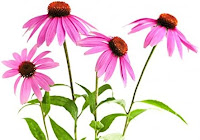
Echinacea 
This is a new one that I just made this past week so I have not had time to really try it yet.  I did make some chap stick with echinacea infused oil because I had read that it is so good for dry skin!  Salve made with dried echinacea flowers and leaves is good for treating wounds, stings and venomous bites.  It helps calm, soothe and heal redness, cuts, rashes, bug bites, itches and scratches. 
 
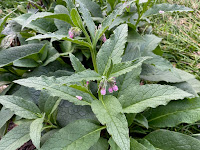
Comfrey
Comfrey has been shown to reduce inflammation, reduce pain, and speed skin healing.  It is so good at skin healing that you should NEVER use comfrey on an open wound!  You can use any other salve on an open wound but not comfrey!  It contains allantoin, a substance believed to promote healing by stimulating the growth of new cells.  Herbalists commonly recommend comfrey salves for sprains, strains, muscle pain, arthritis, bruises, and fractures.  
Chamomile
Chamomile has been used for wound healing, including ulcers and sores, easing skin conditions like eczema or rashes and anti-inflammation and pain relief for conditions like back pain, neuralgia, or arthritis.  Because chamomile is rich in antioxidants, flavonoids, and nutrients, it’s really good at soothing and relieving skin irritation. 

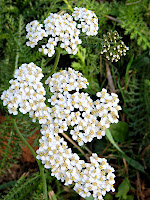
Yarrow 
Yarrow is know for it's blood coagulating properties when applied to the skin to stop bleeding.  Use it to treat minor topical injuries, including cuts, scrapes, burns, and rashes.  Yarrow has powerful anti-inflammatory, anti-itching, anti-bacterial, and wound healing properties to reduce signs of skin aging, ease inflammation and increase skin moisture.

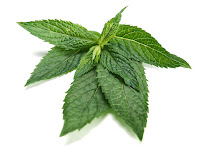
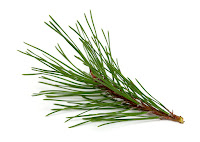
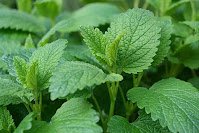
Pine Mint
Mint helps to calm down inflammation, and pine is said to have pain-relieving properties so putting these two powerhouses together makes for an effective salve.  Use for headaches or any other muscle pain.  As I mentioned above, my stomach was hurting one day and I grabbed this salve and spread it on and the pain went away almost immediately! 
 
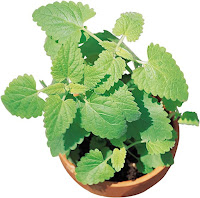
Catnip
Along with its calming and anti-inflammatory compounds, catnip has antiseptic properties that make it useful for treating skin infections and speeding the healing of minor wounds and cuts and other skin problems.
Lemon Verbena
Heals dry or cracked skin and cuticles after a long day of gardening.  Lemon verbena has proven to be effective in healing dry elbows, knees, heels, hands and cuticles.  Just a heads up...although the plant smells very "lemony", that does not carry through to the salve so don't expect it to smell like lemon.
Future salves I would like to make:

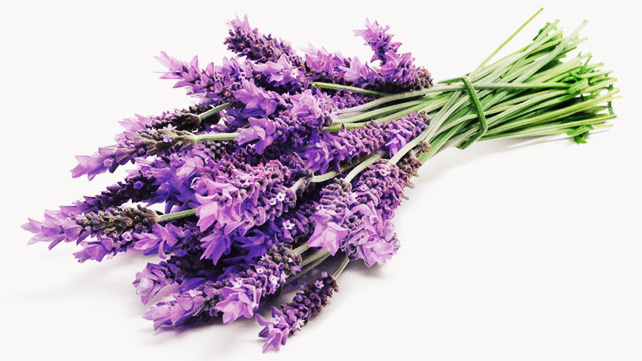
Lavender
Lavender salve moisturizes skin, soothes irritation, burns and itching, and can even help heal acne, scrapes, and eczema and soften the appearance of scars.  It can be used after shaving, to prevent or treat razor burn swelling, redness, and irritation.  Lavender is generally safe for kids and babies, making homemade lavender salve perfect for things like diaper rash or cradle cap.  
Lemon Balm
Lemon Balm cools and soothes irritated or inflamed skin. It can be used on cuts, scrapes, wounds, and  insect bites.  Lemon balms contains some anti-viral properties and is a natural way to help heal herpes, cold sores, shingles, and other viral skin conditions.
Rosehip
Rosehip oil is extremely high in essential fatty acids and is a great agent in the fight against dry, weathered, and dehydrated skin. It works wonders on scars and is used for treating wrinkles and premature aging and age spots.
So, that is that...I like the idea of making the salves in the winter because they will be shelf stable and I can take them to the Farmer's Market in the spring when I don't have flowers yet to sell!  I guess I should show you a pic of the finished product...

Have an eggcellent day!
~Denise

Sunday, January 15, 2023

Cost of eggs? Going up? Eggs are still a great buy!

 In the Coop

In case you have not seen the news lately or been to the grocery store, the price of eggs has gone up almost 60% the past year!  I am not watching TV right now and we don't buy eggs at the grocery store so I was a little bit out of the loop on all this.  Luckily, a friend (thanks Don!) sent me an article about the current situation.  It seems that there are a couple of things going on.  One is that the cost of materials (feed, egg cartons, etc...) has gone up.  We just bought egg cartons for Mark's business and the price was definitely higher from the previous year.  
The second reason is the Avian bird flu outbreak is still happening and many egg laying chickens are succumbing to that disease.  Avian bird flu is carried by waterfowl like wild ducks and geese.  We have both wild ducks and wild geese that live right by our home in the lagoon of the University of Idaho dairy!  Luckily, they don't "stop" by our place but they definitely fly over a lot.  You can actually hear the rushing of the wind through the ducks wings as they fly overhead.  It makes a squeaking sound.  The wild geese are usually honking so you hear that and know they are flying over....but I digress...  Unfortunately, the bird flu is highly contagious and super lethal.  This has been the deadliest outbreak in U.S. history!  We are keeping our fingers crossed that is does not visit our farm...
Let me put in a plug for buying eggs from a local farmer or food cooperative (co-op) that carries locally laid eggs.  I know that the price of eggs at our local co-op have not gone up and Mark has not increased his egg prices for a couple of years.  The eggs you purchase at your co-op or directly from a farmer will probably cost more than the eggs at your local grocery store.  BUT you are getting a much healthier egg and, as with most things in life, you get what you pay for.  What you want to look for are Pasture Raised Eggs!  These are the kind that Mark has!  If you need help finding a local farmer, use a website like Local Hen to find a farm near you!  

Here is a nice graphic showing the difference between eggs...it might be hard to read so here is the link to the article: A Guide to Cage Free vs. Free Range vs. Pasture Raised Eggs  Cage free sounds great but it is truly not all that it is cracked up to be...pun intended...even free range just says that they have to have "access" to the outdoors but they don't have to go out there...

I love this pic showing the difference between Cage Free and Pastured:
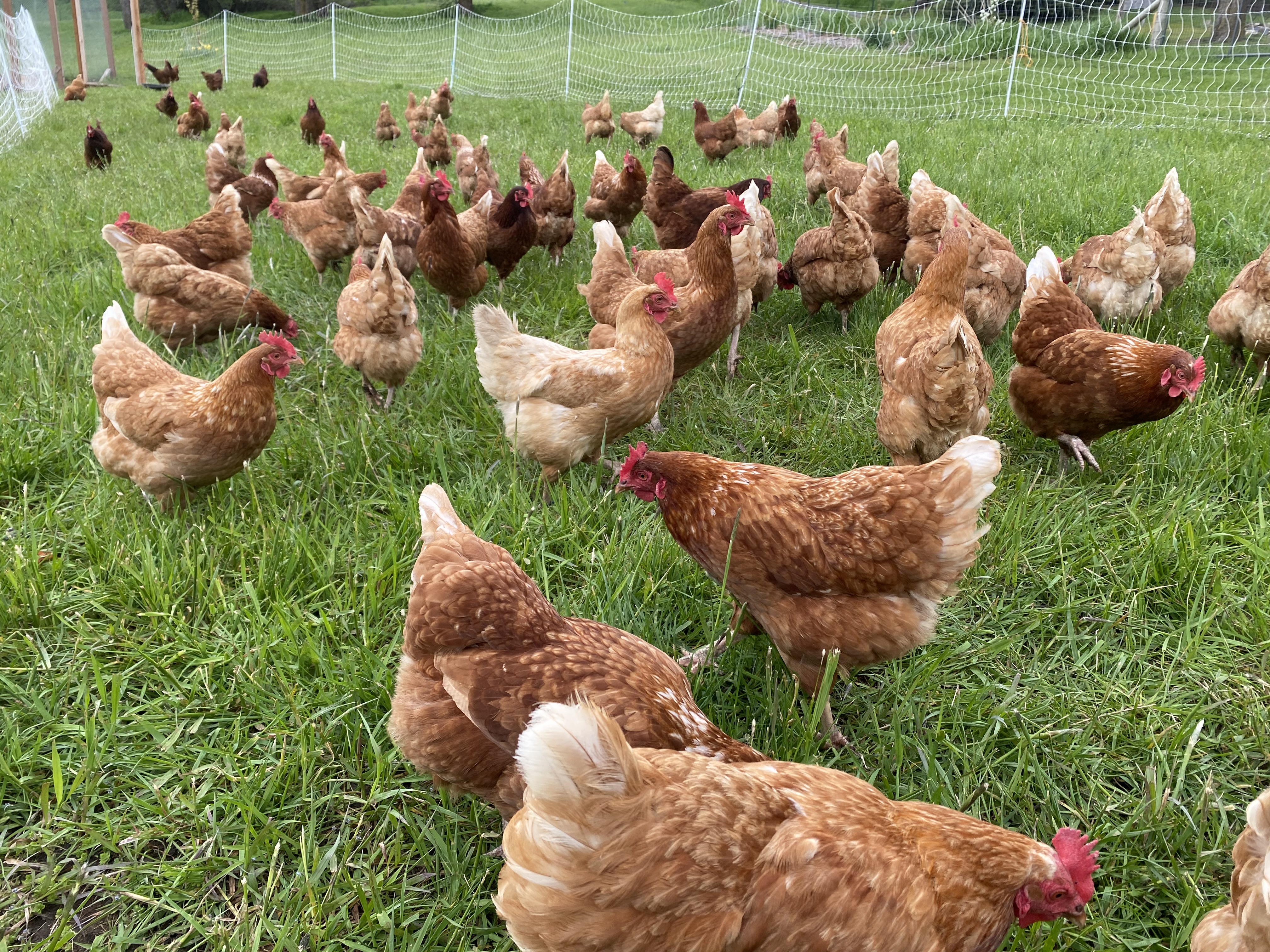
Here is a pic of Mark's girls that I took yesterday...now you have to realize that it is the middle of winter so there is no "green grass" but they still love coming out on "pasture" and look for worms and scratch around and do chicken things...
Here is a great video put out by the American Pastured Poultry Producers Association talking about advantages of pastured eggs and meat:
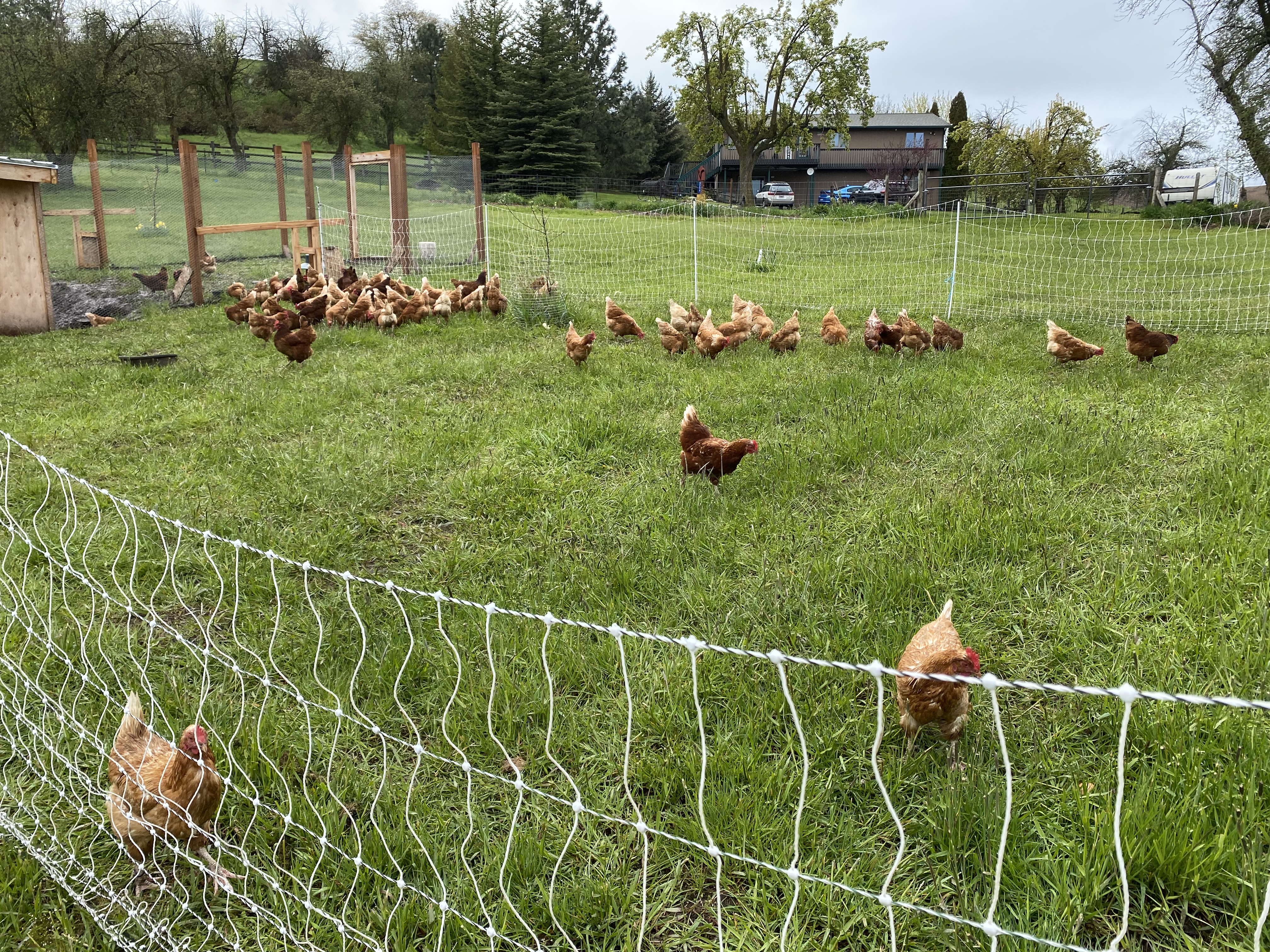
We don't move the coop as is shown in the video but we do move portable paddocks around the coop so that they have access to fresh grass (when the grass is growing!)  Here is one of my favorite pics of the chickens out on pasture last spring...
Pastured eggs are more healthy than conventionally raised eggs...taken from Mother Earth News...
Need a reason to love eggs!  They are incredibly nutrient dense containing 13 essential vitamins and minerals.  They have lots of  B vitamins like B2, B5, B12 which are sometimes hard to get.  Chickens that go "outside" produce eggs that are high in Vitamin D.  They also contain zinc, choline, lutein, and iron, 6g of protein and all nine essential amino acids, making them a “complete” source of protein. All this for around 70 calories!  

Eggs provide long lasting energy!  I never need a snack in the morning when I start my day with a couple of scrambled eggs, avocado and salsa (my favorite breakfast!).  Eggs are sugar free!

They are versatile and can be made sweet or savory...scrambled or boiled...fried or over easy...creped or omeletted...caked or cookied...the possibilities are limitless!  So many reasons to LOVE pastured eggs!
Have an eggcellent day
~Denise


Sunday, January 1, 2023

2022 In Review...Looking back and looking forward...

 Looking back...

I usually don't do a "year in review" but it just seemed like the thing to do this year.  Many years I usually post about the Christmas gifts that I made but I just did not have time for making Christmas gifts this past year...too busy with other projects (see below)!  We finally got Mark's egg business to full capacity!  It only took 3 years!  This review is going to be mostly about Mark's egg business but I do want to mention that Joshua also had a big year and I will put some of his accomplishments at the end.

Side note:  Someone in the community contacted me this past week and wanted to meet and talk about self employment opportunities for people with disabilities.  They have a daughter with developmental delays and learned of Mark's business at the Farmer's Market last summer.  What a blessing!  Wouldn't it be great if more people with disabilities are working in the community!
In late 2021, Mark got 75 Novagen chicks...the new coop was "mostly" finished so these girls went into the new coop in January!  The coop is actually 2 coops that are joined by a storage area in the middle.  These young girls went into the east coop...
Here is a pic of the run area that is on the east side of the east coop...
We got a portable grain bin to buy bulk feed in January and then in September, we were invited to get grain from a local feed mill!  This will really help to keep the cost of feed manageable!
In the spring, the older chickens that were in the barn were moved into the west side of the new chicken coop...
There is a run on each side of the coop and then moveable paddocks that come off the run.  Here is a pic of Mark standing in front of one of the white fenced paddocks.  The paddocks are where the girls have access to good, green grass!
Here is another pic of the chickens in the paddock!
The older chickens were getting "old"...so we decided to try a new breed of chicken to replace some of the older ladies.  This breed is called ColorPack and they lay blue and green eggs!  
We also decided to go a different direction with the future duck production.  We got a pair of Welsh Harlequin ducks from a local farmer...white duck is the duck/female and the colorful guy is the drake...I call him Moby Duck...  
We realized that one duck was probably not going to be enough so we ordered 5 Welsh Harlequin ducklings.  One didn't make it but the other 4 grew up and are in with the flock now.  They are REALLY beautiful ducks!
Back to the older chickens...we held a class on the farm to teach 5 other individuals how to process chickens and we processed them as stew hens.  We are grateful for their egg laying these past 3 years...
Did a fun experiment with letting the girls make a jack-o-lantern this fall... the east coop REALLY loved the pumpkin!  I was able to pull the pumpkin out of the paddock and grab this pic...I put it back into the paddock and when I came back in a couple hours, the entire pumpkin was gone and only the stump was left!  It took the west coop DAYS to work on their pumpkin and I eventually threw it into the east coop...

Our oldest dog, Benjamin, had to be put down due to his age so we got a new dog.  His name is Allen and he just turned one year old in October so we hope to have him around for a while...
With 2 coops full of chickens now (FINALLY), Mark is getting LOTS of eggs this winter and we have plenty of eggs for all the delivery customers for the first time!
Just another side note to say that Denise started growing some ever lasting flowers this year to sell at the Farmers Market...
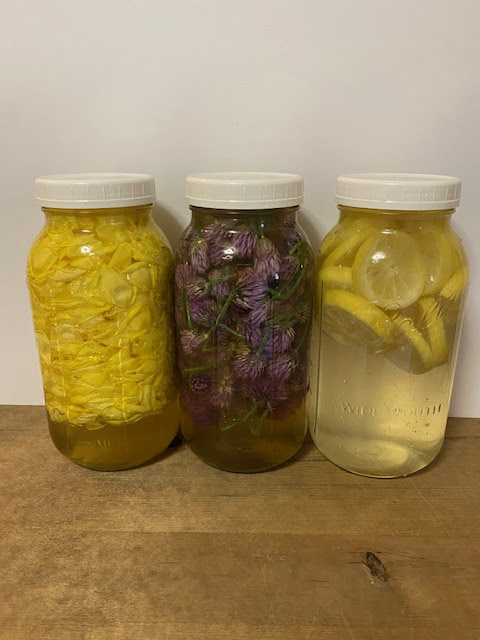
Denise also added some flavored apple cider vinegar to her offerings...here we have some rose petal, chive and lemon vinegars brewing...
Joshua had a big year...first he was confirmed into the Catholic church...
Shortly after that he turned 18 years old in May...
Then, he graduated from Paradise Creek Regional High School...
...and started a job in the deli at WinCo!

Looking forward...

2022 was SO busy that we are hoping to just have a nice, quiet 2023!  A couple of projects for 2023 include breeding the Welsh Harlequin ducks and harvesting some drakes which we have never done.  There is also some work that needs to be done on the coops...believe it or not...the contractor did not actually finish the job (shocking, I know)...I want to put some rocks around the perimeter of the run to keep the girls from digging their way out.  Also, at some point, probably not this year, we want to put up some type of structure over the runs to allow for shade in the summer and to keep some of the snow off that area in the winter.  

One last piece of equipment we need is an egg washer...these are crazy expensive (several thousand dollars!) but it will allow Mark to wash the eggs and be more involved in the business (currently, I wash all the eggs).  Hopefully, we will be purchasing this equipment in fall 2023...oh yeah...and Denise got 3 geese!  We are looking forward to some goose eggs this spring!  .  
Happy New Year from the Wetzel family!
No wonder I am so tired all the time and can't think straight!  Have an eggcellent day!
~Denise


Sunday, December 11, 2022

Farm Failures...

 On the Farm

Not everything goes according to plan on the farm.  Poultry feed is expensive so I am always looking for some alternative ways to get protein for the girls and ladies.  Last winter, I tried 2 different ways of doing this...black soldier flies and duckweed and neither one worked!  Let's start by looking at the black soldier flies...

Black Soldier Flies

To begin, let me explain that the chickens/ducks don't actually eat the fly.  They eat the mature larvae.  The flies do not bite and only hang around for a few days to mate, lay eggs and then die.  Black soldier flies are super high in protein...usually over 30% depending on what they are eating.  Another benefit of black soldier flies is that they can eat coffee grounds, manure and decaying vegetable matter...things you normally need to get rid of anyway!  The idea of turning waste products into protein and calcium rich poultry treats is tempting!  I bought a special bin to grow the black soldier flies.  
Then, I purchased some larvae..they are the small white things.  They are about the size of rice...
Inside the bin, I started with putting in some soaked corn, oatmeal and a little compost to get the larvae started...you can see the ramps at the bottom of this pic on either side of the oatmeal...more on that in a bit...
I placed them in their "food" and then covered them up so they had a little privacy...also, they like it dark...and they can lay their eggs in the burlap.  I also put some cardboard in for them to lay eggs inside the corrugation...
They LOVE moldy old vegetables!
The larvae grew and then when it is time for them to pupate, they head to the surface and crawl up, up, up...the bin I was using had a special ramp (see in one of the previous pics) that the larvae could climb up and then they would fall into a bucket and I could take the bucket out to the chickens and ducks.  Yes, they are self harvesting!  It just does not get any better than this!  At least, that is how it was supposed to work...
...some of the pupae did climb out and some became adult flies.  BUT it seems that the adult flies did not mate to lay eggs!  Obviously, the life cycle could not continue.  I don't know why they would not mate.  I thought it might be too cold for them.  In the summer, I took the bin outside and I noticed several black soldier flies in the bin!  I was hopeful that I may be able to get the bin started and then bring it back inside for the winter.  BUT they never laid any eggs either in the summer!  I have not had a lot of time to troubleshoot this.  I did read in one article that light intensity has to be at a certain level.  I also read that they need a good amount of humidity which is something we do not have here in north Idaho (but as long as you keep their feed wet, that should be good enough).  IDK...not sure when I may try this again...if anyone has suggestions, I would be happy to hear them!

Duckweed

Another idea I had read about is growing duckweed.  I read that it is SO easy to grow and doubles in volume every few days.  It is also high in protein (30-50%).  It can be invasive so I planned to grow it in one of the duck swimming pools.  
I ordered it in the winter and kept it out on the garden porch with the fodder system but it did not seem to be thriving at all.  I thought maybe it just too cool out there and put a heat pad under the bucket but it just limped along.  I kept it going so that I could put it in the small swimming pool in the summer.  I thought surely with the warm summer days it would just take off!  BUT still nothing!  As with the black soldier fly system, I have not had much time to troubleshoot.  I did read that it likes high fertility and I did not add anything to the water so maybe that was the issue...it was such a miserable failure that I did not even keep any pics of it!

If anyone has tips about growing black soldier flies or duckweed, please let me know.  Most all the articles that I read online talk about how easy it is to grow both of these things but I failed miserably at both!  Luckily, we don't NEED the black soldier flies or duckweed but just thought it would be a nice addition to the fodder, sunflower seeds, pumpkin, dried flower/herbs and other treats we offer to the girls and ladies.

Have an eggcellent day!
~Denise


Sunday, November 27, 2022

Elderberries

 On the Farm and in the Neighborhood...

I really like elderberries!  Each year I love them more!  I know people are crazy about huckleberries but elderberries are flavorful, nutritious, and more abundant.  They can be grown in your yard and they also grow in the wild and are easy to pick!  I can pick a gallon of elderberries in a couple minutes and it usually takes a couple hours to pick that many huckleberries.  We have 2 elderberry bushes on the farm.  They are loaded with flowers in the spring and they smell amazing!  However, for some reason, we don't get a lot of berries.  Luckily, I know where there are a few bushes around town and I forage from these bushes.  
I see elderberries is two colors, black and blue.  The bushes we have on the farm are blue.  I see blue ones in town a lot and black ones on the mountains.  Because of this dark purple color, the elderberries contain very high levels of the antioxidants.  The high antioxidant activity decreases inflammation and improving circulation. 

Elderberry’s are also known for its ability to ward off viruses.  This comes through the action of a potent antiviral component, antivirin, which affects the properties of viruses, preventing them from entering cells in order to replicate.  Elderberries are loaded with Vitamin C too so an elderberry syrup defeats the common cold with a one-two punch.

IMPORTANT:  Raw berries are NOT eaten intentionally because they contain a cyanoglycoside that can cause illness.  Heating/cooking the berries is a safe way to prepare them.  Usually, I am juicing the berries with my steamer juicer so the high heat deactivates the cyanoglycoside.

The elderflower also has medicinal properties and can be made into a tea or steeped to make a sweet, floral syrup.  This elderflower syrup is popular in Europe and people add a little of the syrup to seltzer or club soda and drink in the summer.
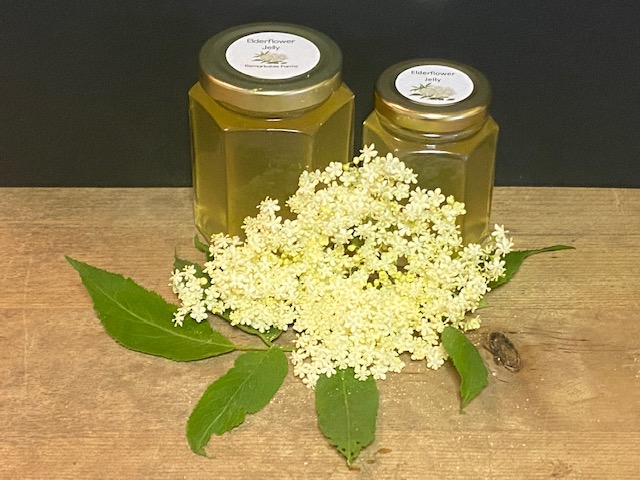
The flowers can also be dipped in batter and fried...kind of like an apple fritter.  Yum!  I did make some Elderflower Jelly and it turned out great!  Sometimes, the floral jellies do not have much flavor but this one did not disappoint.  Will definitely be making this one again...
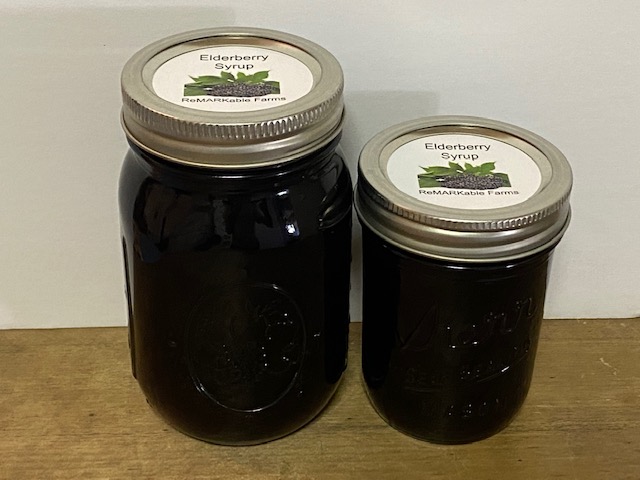
I make jelly with elderberry juice and I add a little sugar to the juice to make syrup and add that to the lemonade to sell at the Farmers Market.  The jelly is one of Henry's favorites.  I do have some "medicinal" elderberry syrup that I made for us to take when we feel some sickness coming on.  
There is some for sale in the online store too!  Whenever I hear Mark start to cough, I start giving him some of the elderberry syrup several times a day.  I would actually like to try making some elderberry wine at some point but I will need a lot more elderberries.  I do add some of the syrup to my homemade kombucha and it is delicious!

Have an eggcellent day!
~Denise